15 Things You Don't Know About Bunk Beds Sale


Bunk Beds Sale: A Comprehensive Guide to Choosing the Right Bunk Bed for Your Home
Bunk beds have long been a staple in children's bed rooms, providing a combination of space-saving performance and fun. Whether accommodating siblings, buddies on pajama parties, or merely making the most of a playroom, bunk beds have actually ended up being a necessary aspect in modern-day family homes. As sales on bunk beds rise, it becomes significantly important for consumers to make educated choices when buying one. This article will cover the fundamentals of purchasing a bunk bed, from types to safety functions, in addition to tips for preserving the stability of your investment.
Kinds Of Bunk Beds
When considering a bunk bed sale, it's essential to comprehend the different styles readily available on the market. Below are the most common types:
- Traditional Bunk Beds: These consist of 2 beds stacked one above the other, sharing a single frame. They are typically the most cost-effective option.
- L-Shaped Bunk Beds: This style includes one bed positioned vertically and another horizontally. This plan develops extra space underneath the upper bed, which can be utilized for storage or a backyard.
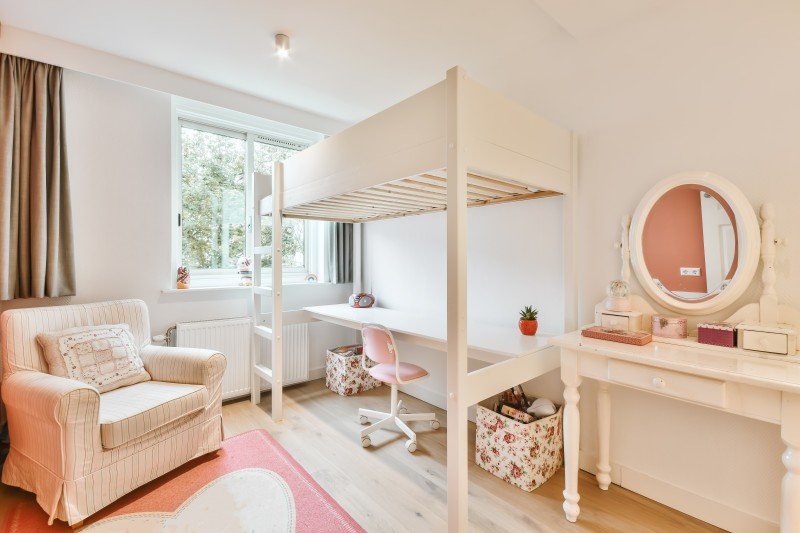
- Lofted Beds: Similar to standard bunk beds but with no lower bed. Instead, the space beneath can be utilized for a desk, play location, or additional storage.
- Triple Bunk Beds: For families with a bigger variety of children or frequent pajama parties, triple bunk beds supply 3 sleeping locations in a space-efficient design.
- Futon Bunk Beds: These designs merge bunk beds and futon sofas. The bottom section converts into a different seating area, enhancing performance.
- Convertible Bunk Beds: These beds can be separated into two individual beds, making them versatile as kids's needs alter gradually.
Table 1: Comparison of Bunk Bed Types
| Type | Description | Space Efficiency | Extra Features |
|---|---|---|---|
| Standard Bunk Bed | Two beds stacked vertically | High | Simplest design |
| L-Shaped Bunk Bed | One vertical and one horizontal bed | Moderate | Play or storage space |
| Lofted Bed | Raised bed with open space listed below | High | Work/play area |
| Triple Bunk Bed | 3 stacked beds | Really High | Accommodates more users |
| Futon Bunk Bed | Bunk bed with a convertible futon | High | Multi-functional |
| Convertible Bunk Bed | Can be split into two separate beds | Moderate | Flexibility & & longevity |
Security Features to Consider
Safety is vital when investing in a bunk bed. Below are key safety functions to search for:
- Guardrails: Adequate guardrails must exist on both sides of the upper bunk to prevent falls. They ought to be at least 5 inches greater than the mattress.
- Ladder Design: Look for sturdy, wide ladders with slip-resistant rungs. Ensure that the angle is not too steep for simple gain access to.
- Stability: Ensure the bed is built with strong materials, such as strong wood or sturdy metal. The bed must not wobble when in usage.
- Weight Limit: Check the weight capacity of the bunk bed to guarantee it can accommodate the designated users safely.
- Material Safety: If possible, select beds made from non-toxic products or those meeting safety standards for kids's furniture.
Table 2: Essential Safety Features
| Function | Description | Significance |
|---|---|---|
| Guardrails | Sides of upper bed to avoid falls | Necessary for child security |
| Ladder Design | Solid, slip-resistant rungs | Aids safe and easy gain access to |
| Stability | Build quality to avoid wobbling | Makes sure safety and durability |
| Weight Limit | Optimum weight capability | Avoids accidents |
| Product Safety | Non-toxic, safe products | Secures children's health |
Maintenance Tips for Bunk Beds
To extend the life of your bunk bed and guarantee continuous safety, think about the following maintenance ideas:
- Regular Inspections: Periodically inspect the structure for loose screws, bolts, or any signs of wear. Tighten fasteners as needed.
- Clean Periodically: Dust and clean the surfaces routinely. Use proper cleaners that will not damage the surface.
- Examine Weight Limits: Be conscious of weight limitations, particularly with older kids or adults who may wish to utilize the upper bunk.
- Prevent Climbing on Guardrails: Educate children not to use guardrails for climbing up or playing to minimize the danger of accidents.
Regularly Asked Questions (FAQs)
Q1: What is the age limitation for children to securely use bunk beds?A: While it varies by the producer, many advise that children under six should not sleep in the upper bunk due to safety issues.
Q2: How can parents dissuade hazardous climbing?A: Setting clear rules about bunk bed use and monitoring children can assist. Furthermore, utilizing a bed tent can dissuade climbing while creating a fun sleep environment.
Q3: What should I think about when decorating a room with bunk beds?A: Ensure there suffices space around the bunk bed for safe motion, and use the design to develop individualized spaces for each child.
Q4: Is a lofted bed ideal for older children?A: Yes, lofted beds can be suitable for older children as long as they fulfill safety requirements and the child is accountable enough to utilize them securely.
Bunk beds serve a functional function while including an element of fun to a child's bedroom. As sales of bunk beds continue to rise, cautious factor to consider of types, safety functions, and upkeep practices is vital for moms and dads and caretakers. By understanding amyhuff.uk , families can find the perfect bunk bed for their home, ensuring both usefulness and security for several years to come. Whether it's for brother or sisters sharing a space or producing a relaxing pajama party space, a well-chosen bunk bed can provide happiness and functionality, making it a worthwhile financial investment.